I was very happy to have the opportunity to test the Selun A230G ski touring binding last season. I used it on my two main pairs of touring skis throughout the winter: a wider freerando setup and a lighter spring ski mountaineering setup.
Over the years I've skied on a wide range of touring bindings from both major manufacturers and smaller brands, from ultra-light race bindings through to heavier hybrid models. That gives me a good idea of where the A230G fits into today's market.
Selun is a relatively new Swiss brand, founded by Hermann Wehrli, a passionate ski tourer with many years of engineering experience. Like many of the best outdoor brands, it started with someone trying to build a better product after spending countless hours in the mountains. Looking at this binding, you can tell a lot of thought has gone into the design.
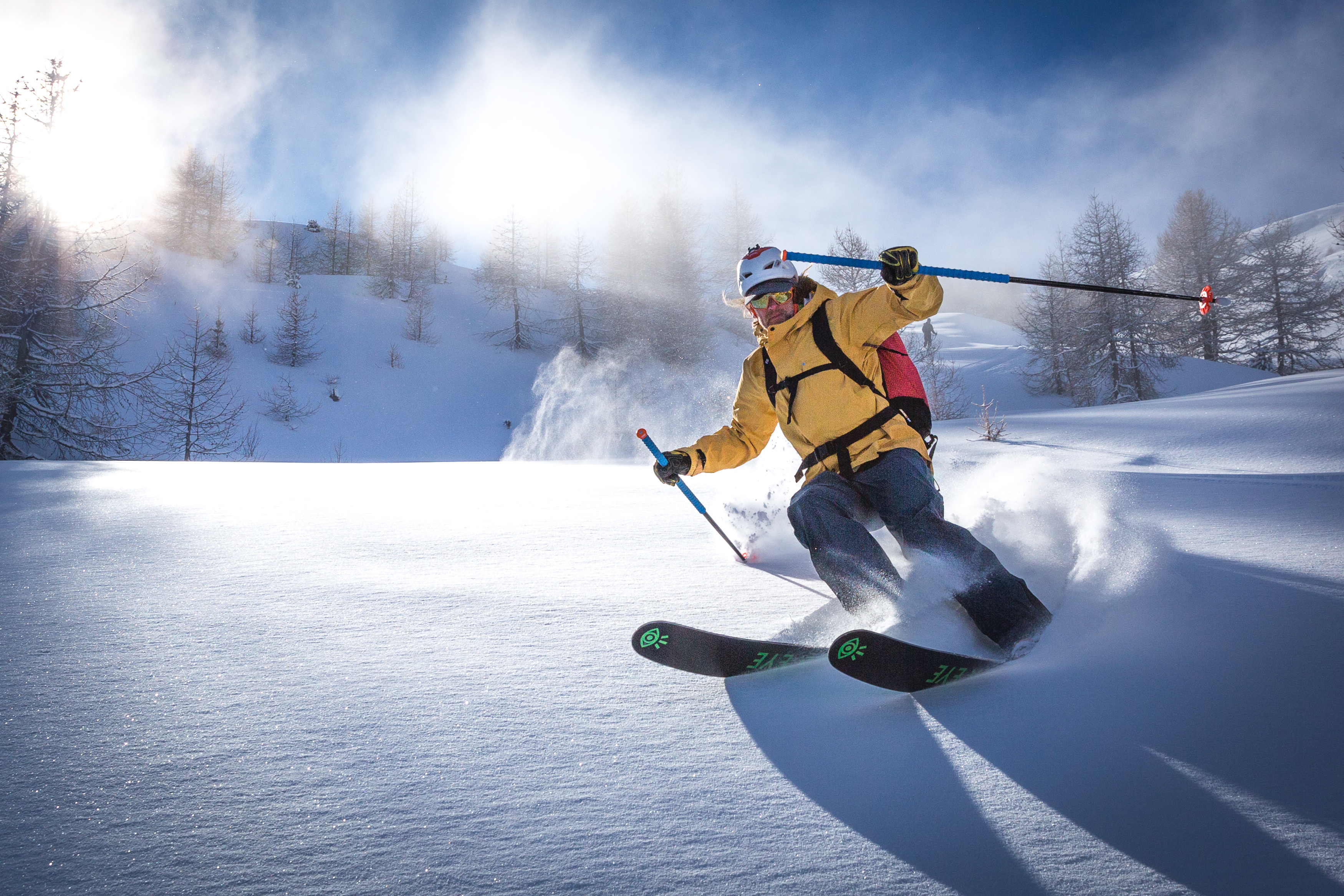
Whenever I look at a ski touring binding, I judge it on one simple principle: features versus weight.
Every binding offers a different combination of features, including release values, heel risers, construction, adjustability and skiing performance. Generally, the more features you add, the heavier the binding becomes.
Because every gram matters on long days in the mountains, the goal is to find the lightest binding that still has the features you actually need. Why carry extra weight if you don't have to?
With that in mind, here's how the Selun A230G performs.
The A230G is CNC-machined from high-strength aircraft-grade aluminium. The quality is immediately obvious when you handle it. Everything feels solid and precisely engineered, giving confidence that it should provide many years of reliable use.
The binding has lateral release at the heel and vertical release at the heel, which is the standard arrangement for most modern pin bindings.
The standard A230 is available with release values from 5–13, while the gold A230G-A version increases this to 7–15 for more aggressive skiers.
For me, this is where the binding really stands out.
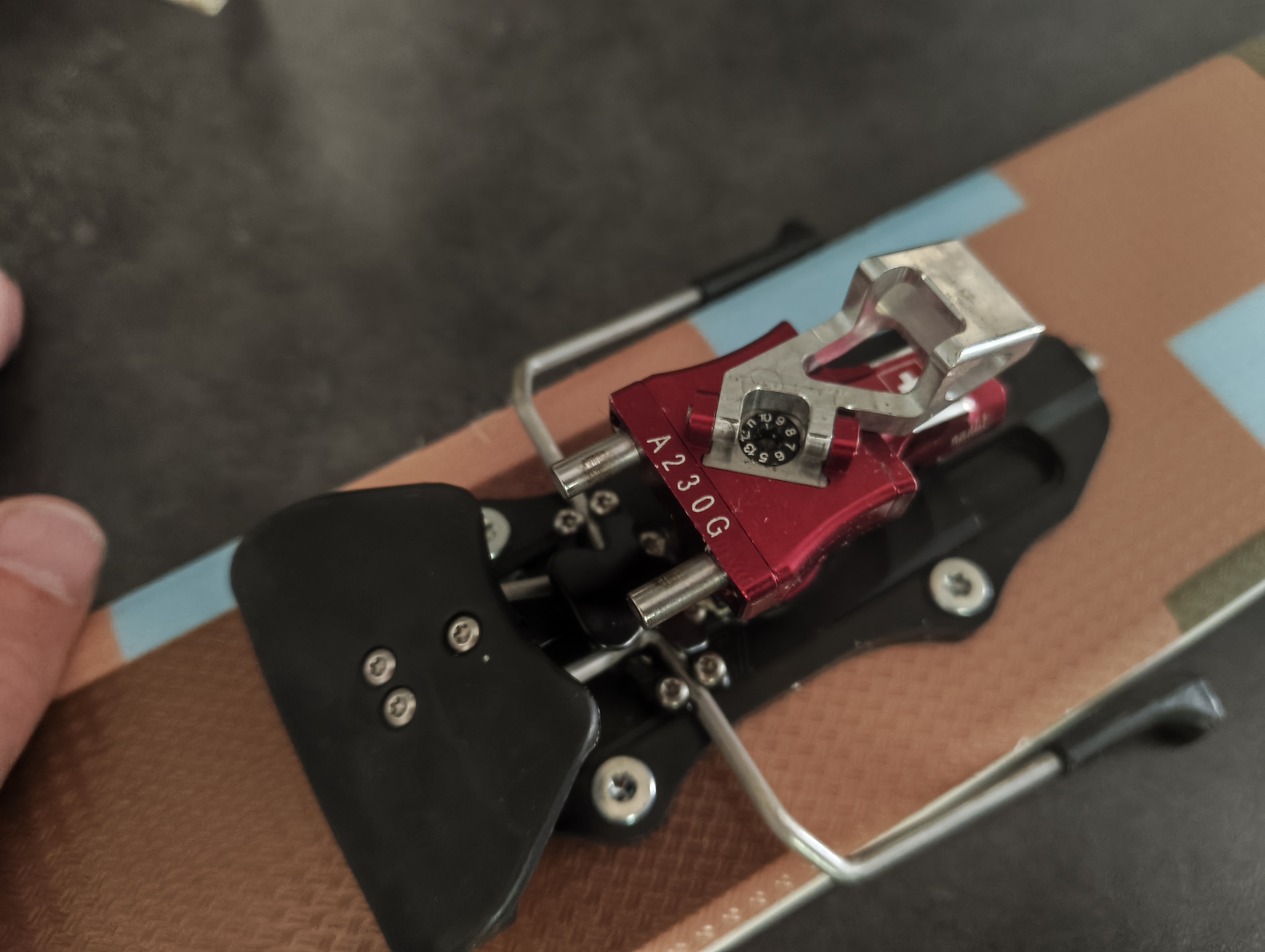
The A230G offers four different heel heights, which is quite unusual. Initially, I thought it might be a bit of a gimmick, but after using it for a season I've become a real fan.
With the heel rotated 90°, you have a flat mode and, by flipping the tab, a mid-height riser.
Rotate the heel 180° and you get a low riser, with the flipped tab providing the highest climbing position.
Although you can cycle through all four positions during a tour, I found myself using them as two separate setups.
For flatter tours with only occasional climbs, I keep the heel at 90° and switch between flat and mid-height.
For bigger mountain days, I rotate it 180° and use the low and high risers. The low riser is particularly good, sitting almost as low as a race binding. I found this ideal for short flat sections and most climbs, with the high riser available when the slope steepens.
Having four useful climbing positions without adding extra weight is a genuine advantage.
This brings me to the only aspect of the binding that I'm not particularly keen on.
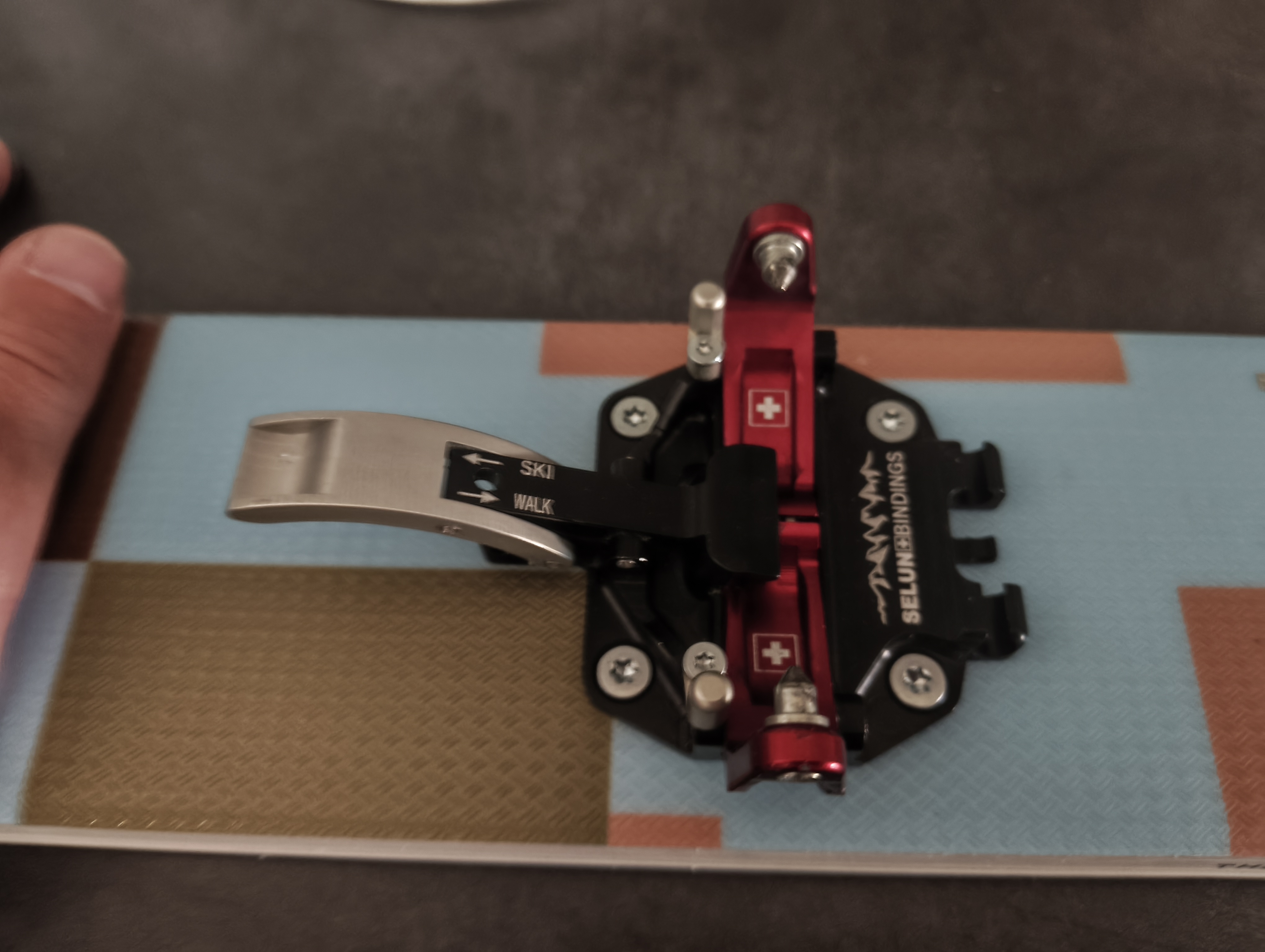
Most touring bindings allow you to rotate the heel, step into the binding and automatically lock the brake into touring mode. With the Selun, I found I had to hold the brake down while rotating the heel.
It's only a minor inconvenience, as you generally only switch into touring mode once or twice a day, but I would prefer the option to lock the brake simply by stepping into the binding.
Once locked, however, the brake sits well above the ski and stays completely out of the way.
Other features
Unlike most pin bindings, the Selun uses an internal spring system rather than the two exposed springs found on many other designs. This is one of the ways Selun has managed to keep the weight so low.
The binding includes two adjustable alignment pins at the front of the toe piece. These act as guides to help line your boot up with the pins, making entry easier.
The only downside is that the adjustment uses a very small hex key, much smaller than those found in most multitools, so you'll need a precision hex wrench if you want to adjust them.
The binding includes a tread support plate (similar to ATK's Freeride Spacer), which supports the sole of the boot and improves power transfer into the ski. I found this gave the binding a more solid feel when skiing, particularly on harder snow.
The heel provides 26 mm of boot length adjustment.
It also includes a standard Dynafit-style crampon slot, making it compatible with most ski crampons on the market. Selun also produces its own crampons.
Brake widths are available in 80, 85, 90, 95, 100, 105 and 110 mm.
It's also available in a range of colours if matching your bindings to your skis is important to you.
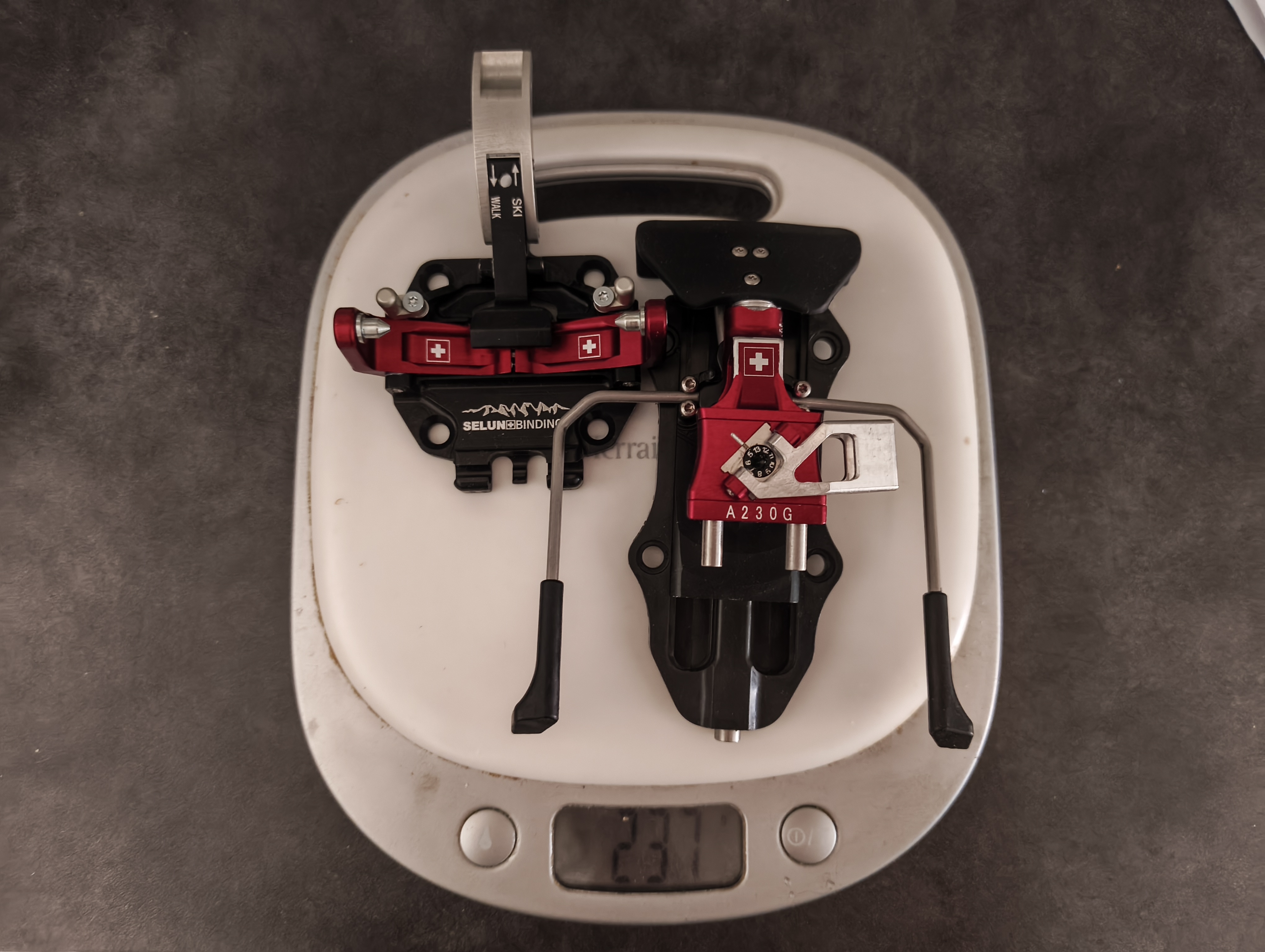
As the name suggests, the A230 weighs just 230 g per binding.
The number alone doesn't tell the whole story, though. Weight only makes sense when considered alongside the features offered.
For example, my Dynafit Superlite 150 weighs only 150 g, but it's a much simpler race-oriented binding with limited adjustment and fewer features.
The Selun, on the other hand, offers:
That places it firmly in the lightweight touring/freerando category rather than the race category.
Binding Weight
Selun A230g 230 g
ATK Crest 290 g
ATK Raider 12 SL 330 g
ATK EVO 13 370 g
Dynafit Ridge 410 g
Dynafit Radical Tour 575 g
Plum Guide 12 340 g
Looking at those figures, the Selun is impressively light considering the feature set it offers.
This is where the binding really impressed me. On the descent it feels solid, predictable and confidence inspiring. There is none of the vague feeling that some lightweight bindings can have.
The wide mounting pattern, combined with the tread support plate, gives excellent power transfer and makes the ski feel precise and secure.
Throughout the season I used the bindings on both wider freerando skis and lightweight mountaineering skis, and they performed equally well.
I and many other ski tourers would rate the ATK EVO as one of the best pin bindings available for downhill performance. I've skied the same ski (the OGSO Schwarztor) with both the EVO and the Selun mounted, and they feel remarkably similar. In fact, I don't think I could reliably tell the difference between them. That's probably the highest compliment I can give the Selun.
Whether I was skiing my 106 mm-underfoot OGSO Schwarztor or my 95 mm-underfoot OGSO STS, the binding always felt composed and confidence inspiring.
With an RRP of €600, the A230G sits firmly at the premium end of the market. However, it is Swiss designed and manufactured, offers an exceptional feature-to-weight ratio, and is lighter than many competing bindings with similar functionality. Whether that premium is worthwhile will depend on how much you value saving weight without giving up features.
The Selun A230G strikes an impressive balance between weight and features.
It is considerably lighter than many bindings in the same category, yet still offers adjustable release values, four heel riser positions, a brake, boot length adjustment and a freeride spacer.
The four-position heel riser initially seemed unusual, but it became one of my favourite features over the course of the season.
My only real criticism is the brake locking system, which is slightly less intuitive than some competitors.
Overall, I think the A230G is an excellent choice for ski tourers looking for a lightweight binding that doesn't sacrifice functionality. It is particularly well suited to general ski touring, big mountain days and freerando skiing, where you want a binding that climbs efficiently while still skiing with confidence.
If your priority is simply finding the cheapest touring binding, there are plenty of less expensive options. However, if you're looking for one of the lightest fully featured bindings currently available, the Selun A230G deserves to be high on your shortlist.


